Downtown Orlando's nightlife is under siege — not from declining demand, but from a permit fee structure that charges small bars and nightclubs tens of thousands of dollars annually to fund off-duty police, while exempting massive venues like the Kia Center and Camping World Stadium. The After-Midnight Sales (AMS) permit system, designed to improve public safety in the Downtown Entertainment Area, has instead become what many business owners describe as an existential threat. Venues like High-T and 1Up Orlando have already closed. Over 100 employees at The Beacham and The Block were laid off. And a coalition of downtown nightclubs has filed a federal lawsuit against the City of Orlando, arguing the system is financially devastating and fundamentally inequitable.
Quick Takeaways

- The AMS permit requires a $250 base fee plus mandatory off-duty police payments totaling $51,480–$145,080 per year for qualifying venues.
- Approximately 33 downtown businesses bear the cost of policing the entire downtown entertainment zone.
- Large venues like the Kia Center, Camping World Stadium, and hotels are exempt from AMS fees.
- Celine Orlando's $144,000 annual AMS fee consumed its entire profit margin.
- High-T and 1Up Orlando closed in 2025, eliminating 60–70 jobs; The Beacham laid off over 100 employees.
- A federal lawsuit filed by multiple venues challenges the ordinance's fairness; a judge denied an injunction in 2025.
What Is the After-Midnight Sales Permit and How Does It Work?
The After-Midnight Sales permit, commonly called the AMS permit, is a regulatory mechanism unique to Orlando's Downtown Entertainment Area (DEA). Any business within the DEA that wants to sell alcohol after midnight must obtain this permit. The base cost is $250 annually — but that figure barely hints at the real financial burden.
For venues with a capacity of 125 or more, the permit triggers a mandatory requirement: the business must pay for off-duty Orlando police officers to provide security. Officers charge at least $36 per hour, and the staffing requirements scale with venue size and operating hours. The result is that large nightclubs end up paying between $51,480 and $145,080 per year in police costs alone — on top of the $250 permit fee.
The city enacted this system in response to public safety concerns, including a July 2022 mass shooting downtown in which seven people were shot. City leaders, including Mayor Buddy Dyer and most commissioners, argued that the concentration of late-night venues demanded a dedicated police presence. But the funding mechanism they chose places the entire financial burden on a small subset of businesses.
Breaking Down the Cost Structure
To understand the impact, consider how the numbers compound for a single venue operating Thursday through Sunday:
- Base AMS permit: $250/year
- Off-duty officer rate: $36+/hour per officer
- Typical weekly police cost: $1,000+ per venue
- Annual police cost range: $51,480–$145,080 depending on venue size and hours
- Additional security investments: ID verification systems, weapons screening, and compliance staff
For context, some venue owners report paying over $450,000 per year in total off-duty police costs. That figure exceeds what many small businesses earn in net profit.
How AMS Fees Consumed Celine Orlando's Entire Profit Margin
Celine Orlando, a multi-room nightclub known for hosting official EDC Orlando afterparties, provides one of the most stark illustrations of the AMS fee's impact. The venue's annual AMS-related costs reached approximately $144,000 — a figure that, according to reporting on the federal lawsuit, consumed the club's entire profit margin.
This means that after paying for inventory, staff, rent, insurance, marketing, and all other operating expenses, the money that would have constituted Celine Orlando's profit was instead diverted to cover off-duty police costs. The venue wasn't failing by any conventional business metric. It was profitable — until the AMS fee erased that profit entirely.
For a venue that draws thousands of patrons during EDC weekend and contributes to the more than $110 million in local economic impact that the festival generates annually, this dynamic raises a difficult question: can a business model survive when regulatory costs are calibrated to consume 100% of profits?
The Inequity Argument: 33 Bars vs. the Entire Downtown

Perhaps the most contentious aspect of the AMS permit system is its scope. According to business owners and the Orlando Hospitality Alliance, approximately 33 businesses within the Downtown Entertainment Area bear the cost of policing an entertainment zone that serves the entire downtown region — including areas and venues that are exempt from the fee.
Who Pays vs. Who's Exempt
The exemption list includes some of downtown Orlando's largest draws:
- Kia Center: Hosts NBA games, concerts, and major events drawing tens of thousands downtown
- Camping World Stadium: Hosts college football, concerts, and large-scale events
- Downtown hotels: Including those charging $700–$750/night during EDC weekend
- Smaller venues under 125 capacity: Not subject to the mandatory police provision
The irony, according to club owners, is that these large venues generate significant downtown foot traffic and associated policing needs — yet contribute nothing to the AMS fund. Meanwhile, a 200-person nightclub pays as if it alone were responsible for downtown safety.
Monica McCown, Vice President of Orlando's Hospitality Alliance, summarized the situation plainly:
It's been really hard on the businesses. Bars and restaurants in downtown Orlando are really suffering right now.
The Deployment Problem
Business owners have raised an additional grievance that compounds the inequity: officers paid for by their venues are not necessarily stationed at those venues. Multiple owners have reported that officers funded through their AMS payments patrol elsewhere in the downtown area rather than providing dedicated security at the paying establishment.
This means a nightclub could spend $100,000+ annually on police protection and still experience security incidents at its own front door — because the officers those dollars fund are deployed blocks away. For business owners, this transforms the AMS fee from a security investment into what effectively functions as a specialized tax.
Real Consequences: Closures, Layoffs, and Jeopardized Venues
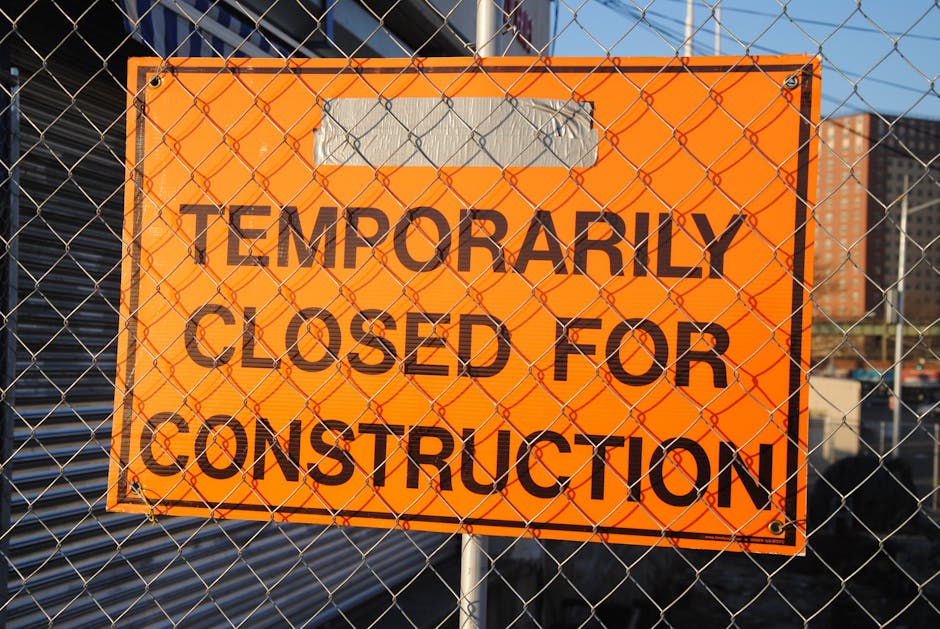
The AMS fee system has produced measurable economic damage to downtown Orlando's nightlife ecosystem. The consequences are not abstract projections — they are documented closures and job losses.
High-T and 1Up Orlando Close Their Doors
In 2025, High-T and 1Up Orlando both closed, with owner James Marrone citing AMS fees as a primary factor. Marrone reported that every new venue he opened triggered an additional $1,000 per week in AMS-related costs. He attempted to negotiate reduced occupancy limits — his venues were rated for 226 people but never hosted more than 100 — but the city required a full new life safety plan costing thousands more dollars. The closures eliminated an estimated 60–70 jobs.
The Beacham and The Block: 100+ Layoffs
John SanFelippo, owner of The Beacham and The Block complex — a cornerstone of downtown Orlando's live music and nightclub scene — laid off over 100 of approximately 300 employees due to the financial strain of AMS permit fees. The Beacham, a historic venue that has hosted EDM, dubstep, and concert events for years, found itself in a position where regulatory costs forced a dramatic reduction in workforce.
Other Venues at Risk
Several additional venues have been reported in jeopardy due to AMS fee back payments, including Cocktails & Screams and Curio. The pattern is consistent: venues that operated viably before the AMS system now face costs that erase margins and create compounding debt through back payments and compliance expenses.
The Federal Lawsuit: Downtown Venues vs. the City of Orlando
Multiple downtown venues — including The Beacham, The Social, Aero Rooftop Bar, Celine, and others — filed a federal lawsuit against the City of Orlando and Police Chief Eric Smith challenging the AMS ordinance. The lawsuit's central arguments include:
- The ordinance unfairly taxes approximately 33 businesses to fund policing for the entire downtown area
- Large venues that draw thousands downtown (Kia Center, Camping World Stadium, hotels) are exempt
- Annual costs of $51,480–$145,080 per business are financially unsustainable
- Officers paid for by bars are deployed elsewhere, not at the paying venues
In 2025, a judge rejected the plaintiffs' bid for a preliminary injunction, meaning the AMS ordinance remains in effect while the lawsuit proceeds through the legal system. The city reported 197 AMS-related violations between October 2023 and September 2024, indicating active and ongoing enforcement.
What the Lawsuit Means for the Future
The denial of the injunction was a setback for venue owners, but the underlying case continues. If the lawsuit ultimately succeeds, it could force the city to restructure how downtown policing is funded — potentially shifting costs to a broader base of beneficiaries or to the city's general fund. If it fails, the current model persists, and more closures are likely.
Safety vs. Survival: The Core Tension
The city's safety concerns are not manufactured. Downtown Orlando has experienced real violence: a July 2022 shooting left seven injured; a fatal shooting occurred outside Savoy Orlando in February 2026; and a June 2026 shooting at Church Street and Orange Avenue underscored ongoing risks. City data cited 144 arrests, 28 disturbances, and 2 shootings in a single month's nighttime hours. Commissioner Jim Gray compared the downtown weekend situation to
recovering from Mardi Gras every weekend.
But nightclub owners counter that most venues operate without incident. Marrone noted that his venues never had a single security incident — yet they were still forced to close. The tension is between a city legitimately concerned about public safety and an industry arguing that the funding mechanism chosen to address that concern is disproportionate, inequitable, and economically destructive.
Commissioner Tony Ortiz, the lone dissenting vote on the nightclub restrictions, warned that overregulation could turn downtown into a
ghost town at night.With venues already closing and jobs already lost, that warning is being tested in real time.
What Comes Next for Downtown Orlando Nightlife?
The outcome of the federal lawsuit will significantly shape downtown Orlando's nightlife future. But regardless of the legal result, several trends are already visible:
- Venue diversification: Anthem Orlando's restaurant-bar-nightclub model generates daytime revenue to offset nighttime-only models criticized by the city.
- After-hours experimentation: Club Nokturnal opened as Orlando's first after-hours club in decades, signaling potential cultural shifts.
- Festival-driven resilience: EDC Orlando's $110M+ economic impact continues to demonstrate nightlife's value to the regional economy.
- Community advocacy: The Orlando Hospitality Alliance and affected business owners continue pressing for regulatory reform.
For patrons, the practical impact is a shrinking number of venues and rising cover charges as surviving clubs attempt to offset regulatory costs. For workers, it means fewer jobs in an industry that employs thousands across Central Florida. And for Orlando as a city, it raises a question that remains unanswered: can downtown be both safe and vibrant — or must one come at the expense of the other?
Frequently Asked Questions
How much does an AMS permit cost in Orlando?
The base AMS permit costs $250 annually. However, venues with a capacity of 125 or more must also pay for mandatory off-duty police protection, bringing total annual costs to between $51,480 and $145,080 depending on venue size and operating hours.
Which downtown Orlando venues are exempt from AMS fees?
Large venues including the Kia Center, Camping World Stadium, and downtown hotels are exempt from the AMS permit requirement, despite drawing significant crowds downtown. Venues under 125 capacity are also not subject to the mandatory police provision.
Why did High-T and 1Up Orlando close?
Owner James Marrone cited AMS permit fees as a primary factor in the 2025 closures. The venues faced costs of approximately $1,000 per week in AMS-related fees, and attempts to negotiate reduced occupancy limits were met with additional costly requirements from the city.
What is the status of the federal lawsuit against Orlando's AMS ordinance?
A judge denied the plaintiffs' request for a preliminary injunction in 2025, meaning the ordinance remains in effect. The underlying lawsuit continues to proceed through the federal court system.
How many jobs have been lost due to AMS fees?
Documented losses include over 100 layoffs at The Beacham/The Block and 60–70 jobs eliminated through the closures of High-T and 1Up Orlando. Additional job losses are likely at venues reported to be in financial jeopardy.